
Stories from the Ones Who We Work With.
Partner stories, designer interviews and event videos from our denim ODM atelier — how boutique owners, designer brands and creators build their labels with us, from first sample to final delivery.
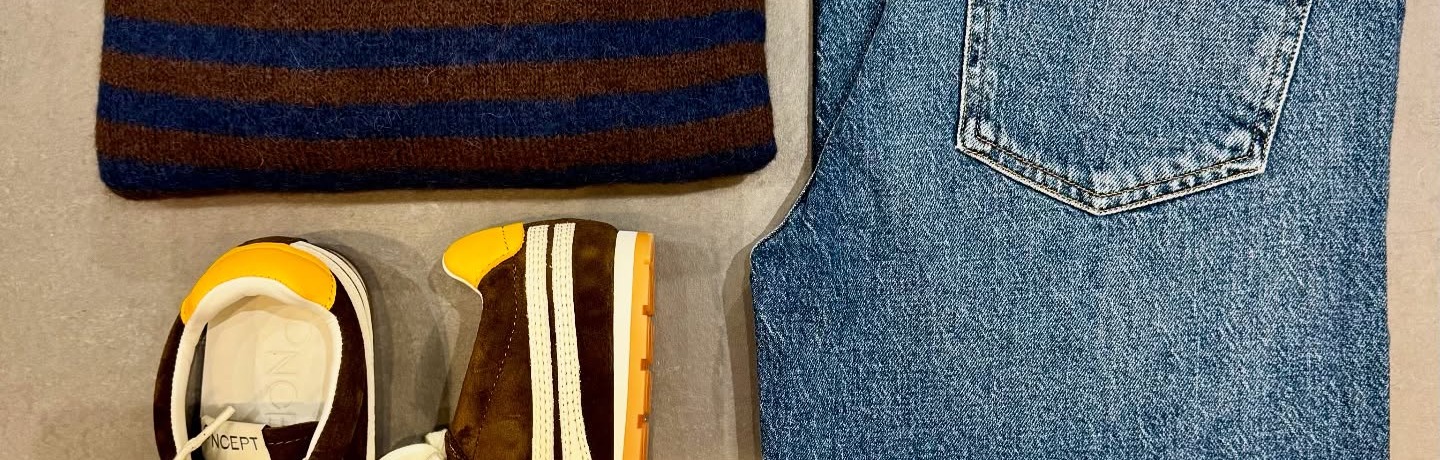
Three kinds of partners. One standard.
Different businesses, the same need — a manufacturing partner who understands the product, the margin and the risk.
Designer Brands
From capsule experiments to seasonal programs — pattern protection, consistent ODM quality and wash development that matches your creative direction.
Boutique Owners
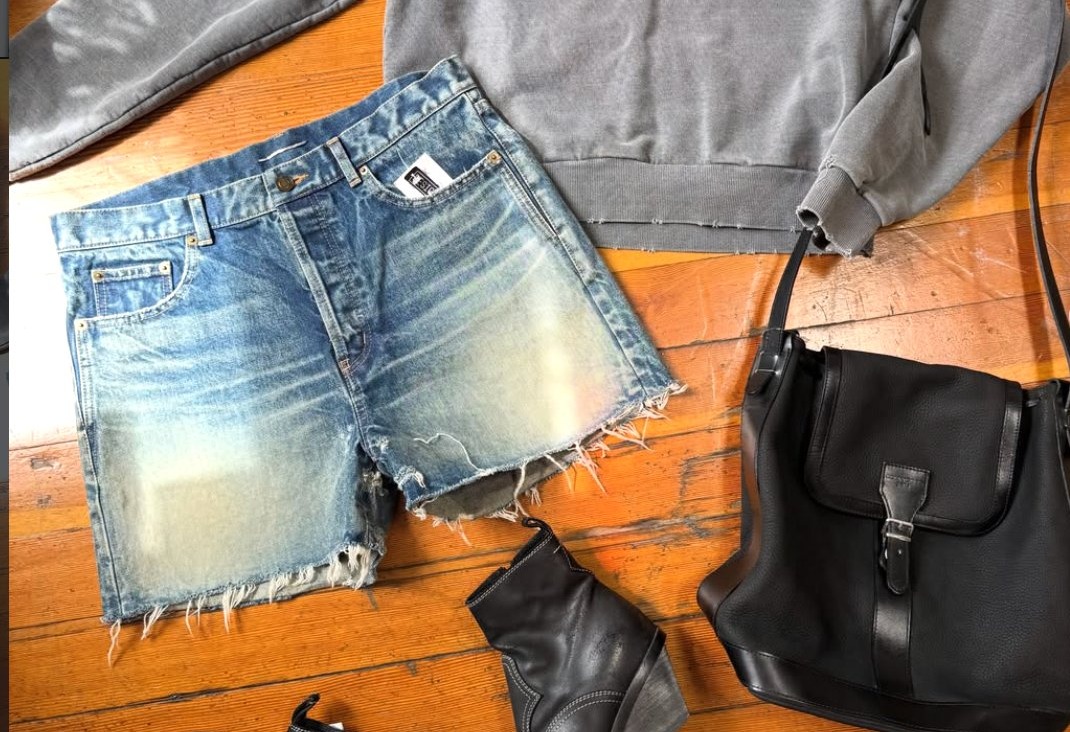
Private-label denim and full-look assortments with workable minimums, dependable restocks and pieces your customers cannot find in chain stores.
KOLs & Creators
Your name on the label. We handle product development, tags, drops and delivery — you keep your audience and your story.
Why we make in Okayama: indigo, rope dye and Osamu Kanemitsu
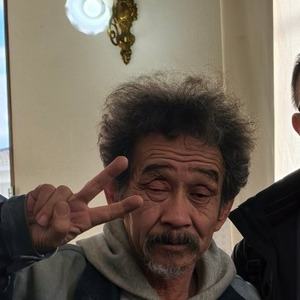
“In an age when AI and big data make everything look the same, I want to make things that move people.”
Every autumn our founder, Don, flies to Okayama — to look, to learn and to listen. Okayama Prefecture, and the port town of Kojima in Kurashiki in particular, is where Japanese denim was born, and where the world’s best vintage-style denim still lives. Walking its ateliers feels like walking a living archive of selvedge denim, rope dyeing and hand finishing.
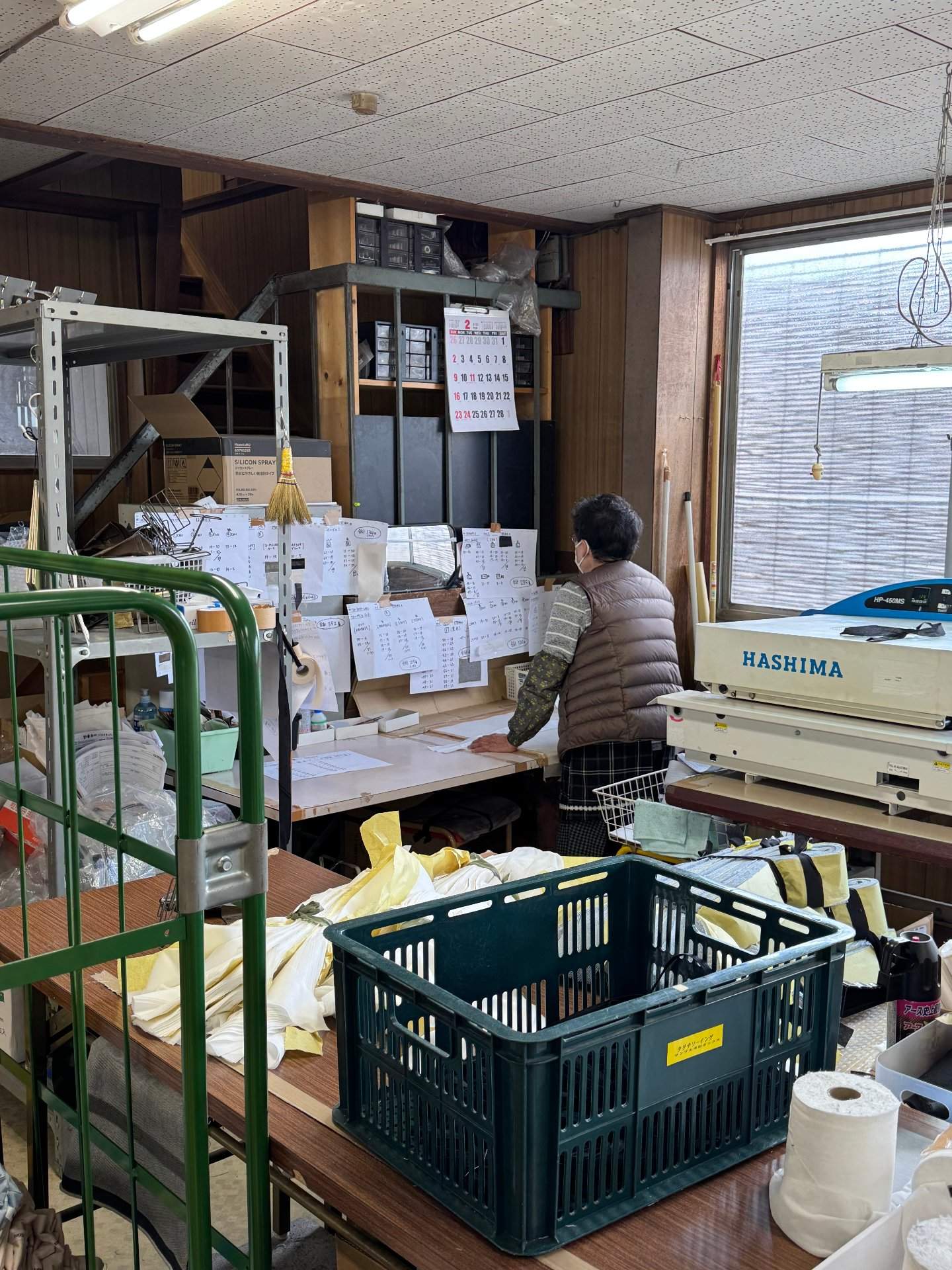
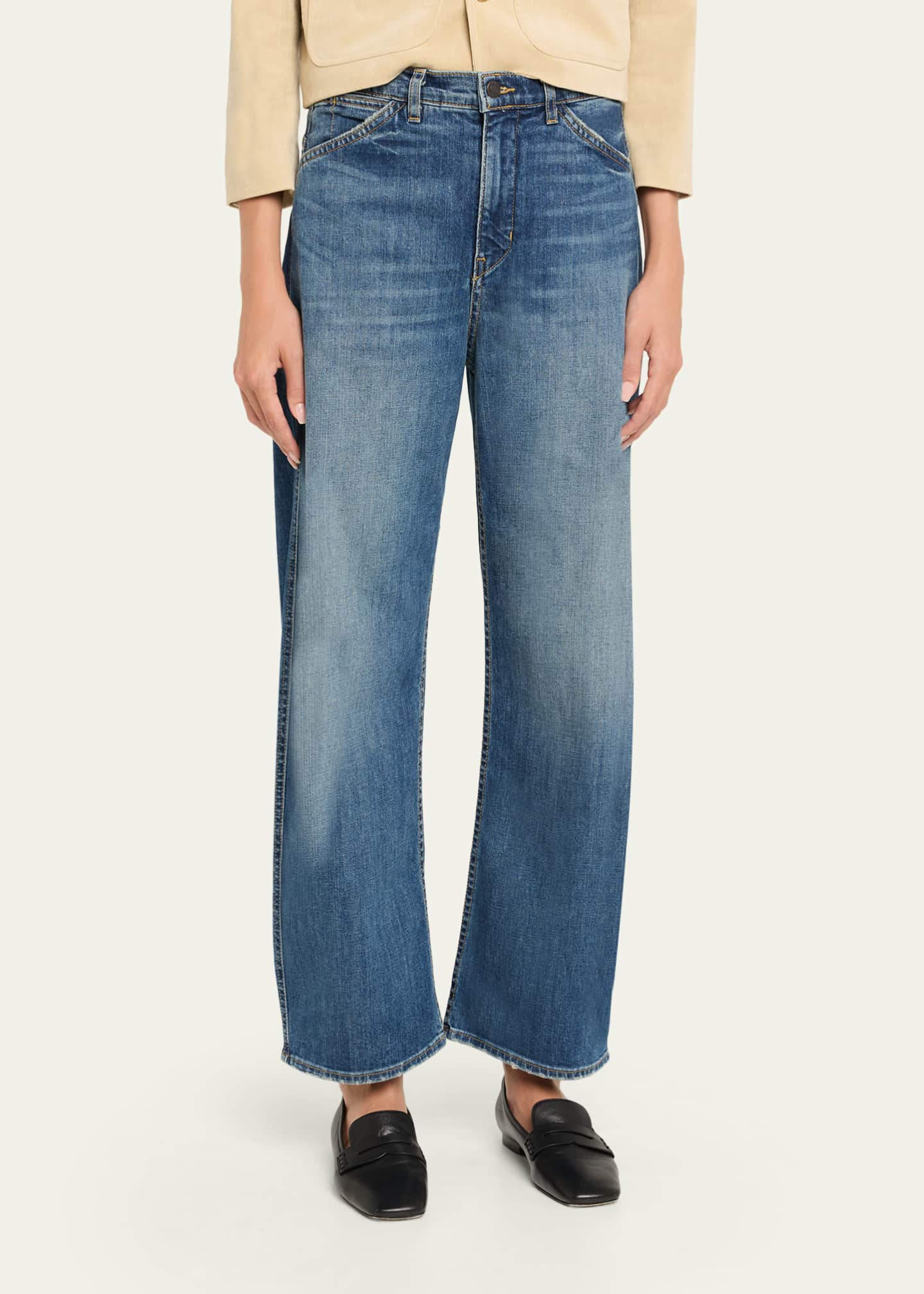
Denim arrived in Kojima in the 1960s, when local workwear makers sewed Japan’s first jeans. The vintage boom of the 1990s then pushed the town’s mills and laundries to reproduce America’s most collectible jeans — fading, shrinkage, stitching and all — and in doing so they mastered every detail of the craft. Today ‘Okayama denim’ is shorthand, worldwide, for premium Japanese denim.
Rope-dyed core, indigo soul
Two things set the fabric apart. First, rope dyeing: yarns are twisted into a rope and dipped into indigo baths again and again, so the dye colours only the surface and leaves a white core. As the jeans are worn, that core shows through — which is why rope-dyed denim fades into personal whiskers and honeycombs no factory can print on. Second, the dye itself: plant-based indigo gives a depth of blue synthetic dyes can imitate but never match. Our vintage lines are cut from Kaihara fabric — one of Japan’s most respected denim mills — woven with the honest, slightly irregular texture that makes Japanese selvedge denim so loved.
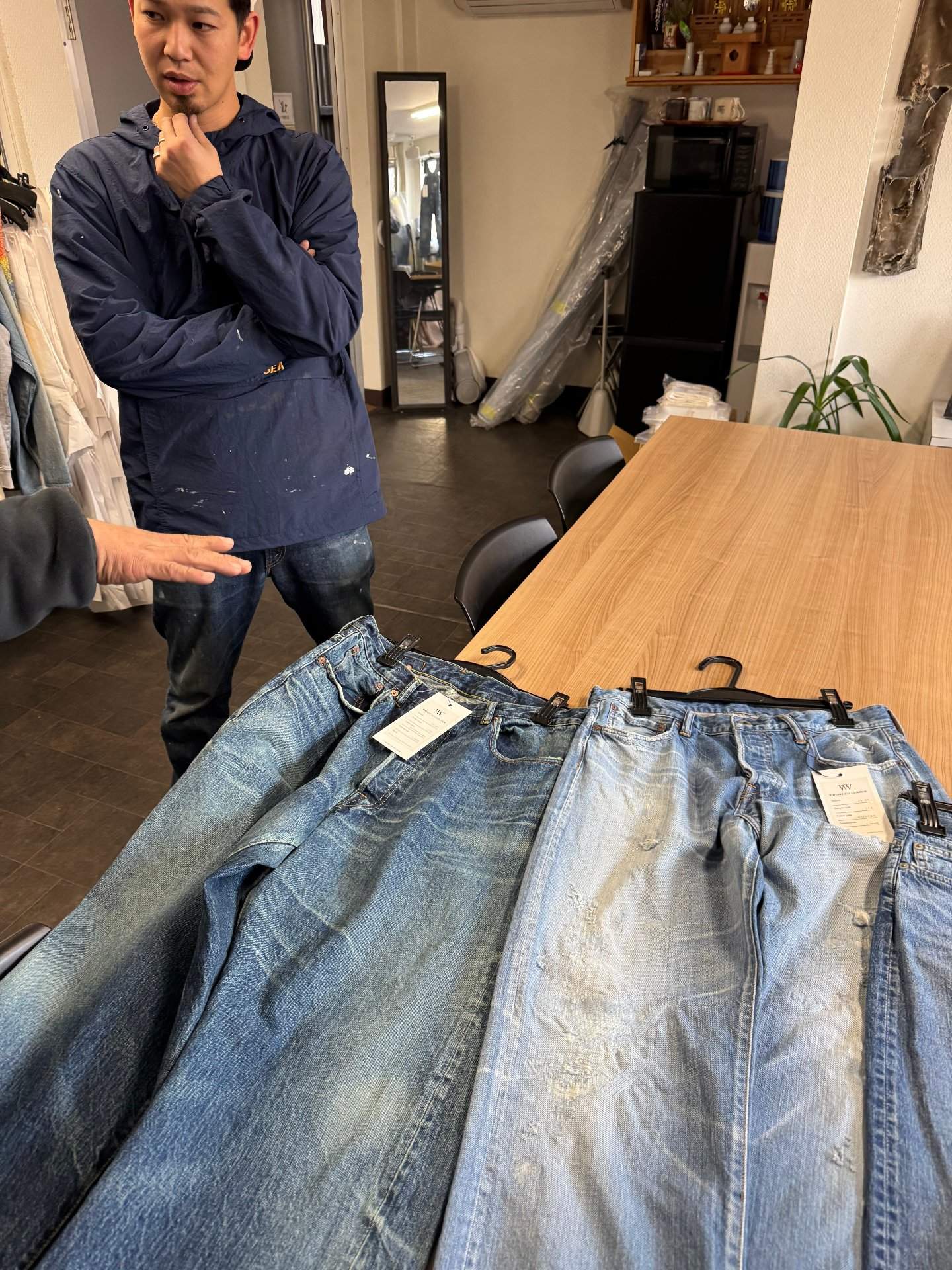
Then there is the wash. Vintage finishing is where Okayama’s laundries outshine the world: hands, not only machines, decide where the whiskers sit and how the knees bleach. A master finisher can return a rigid pair of jeans looking loved for a decade — without a single hour of actual wear. This is the level of wash work behind every OnesGolden vintage piece, and it cannot be faked by a formula.
Meet Osamu Kanemitsu
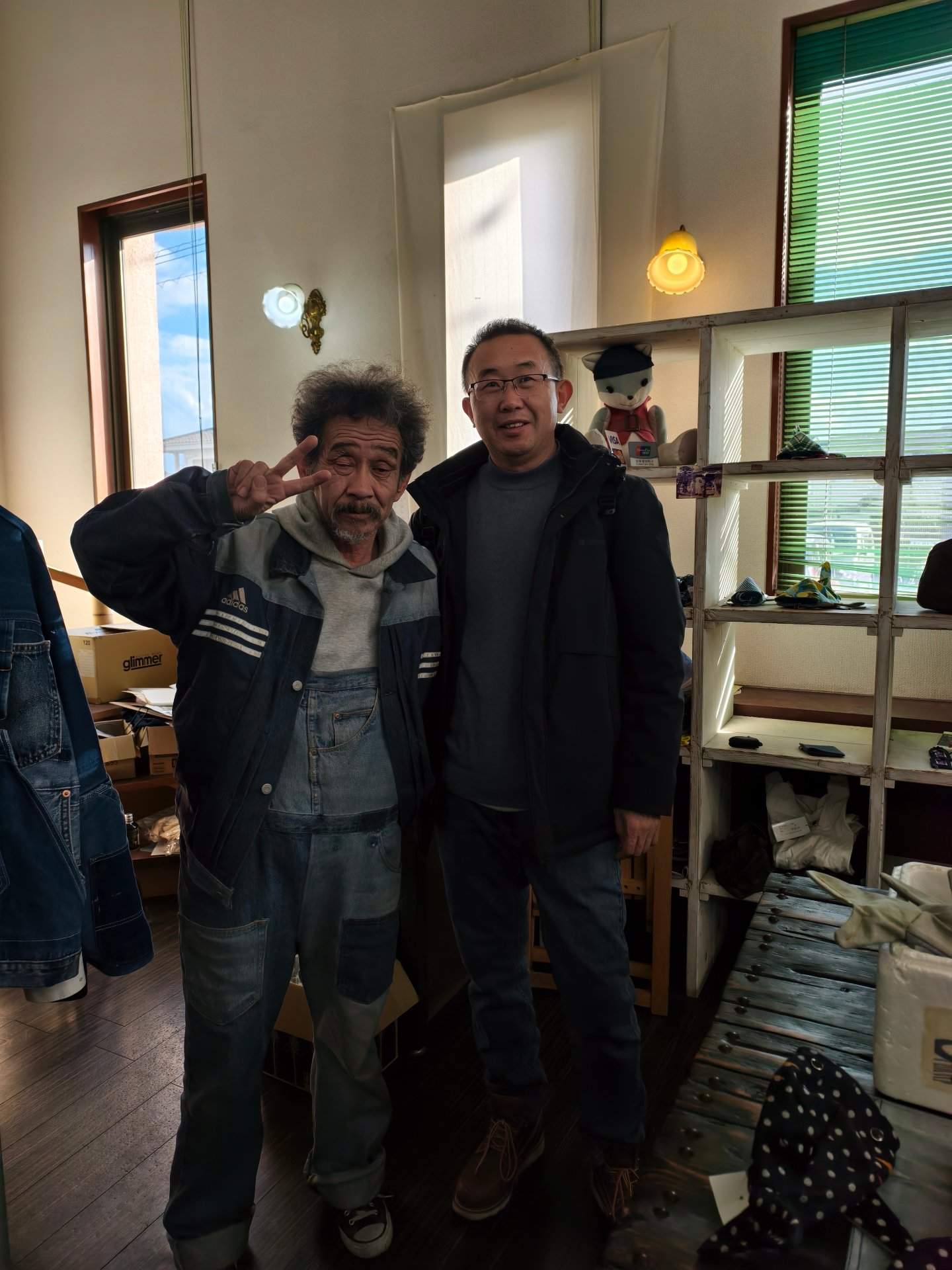
The man in the overalls is Osamu Kanemitsu — a legendary Kojima denim craftsman, and the founder and president of DANIA JAPAN. He has spent his life defending hand craft in the home of Japanese denim: natural indigo, hand finishing and one-of-a-kind pieces. In 2000 he founded DANIA JAPAN on a simple idea — that the love of blue runs in Japanese blood. The name combines DNA with ‘ai’, the Japanese word for indigo.
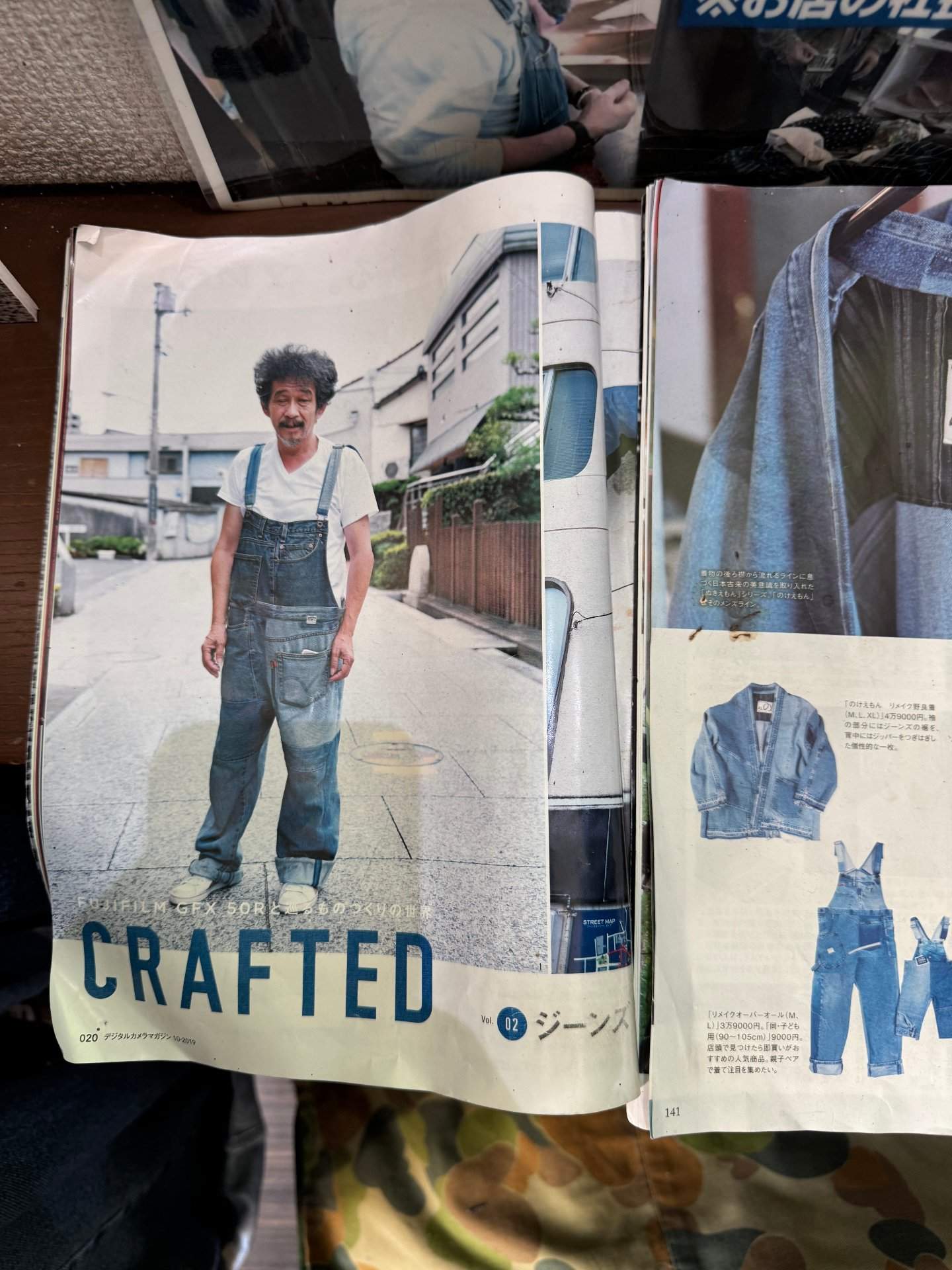
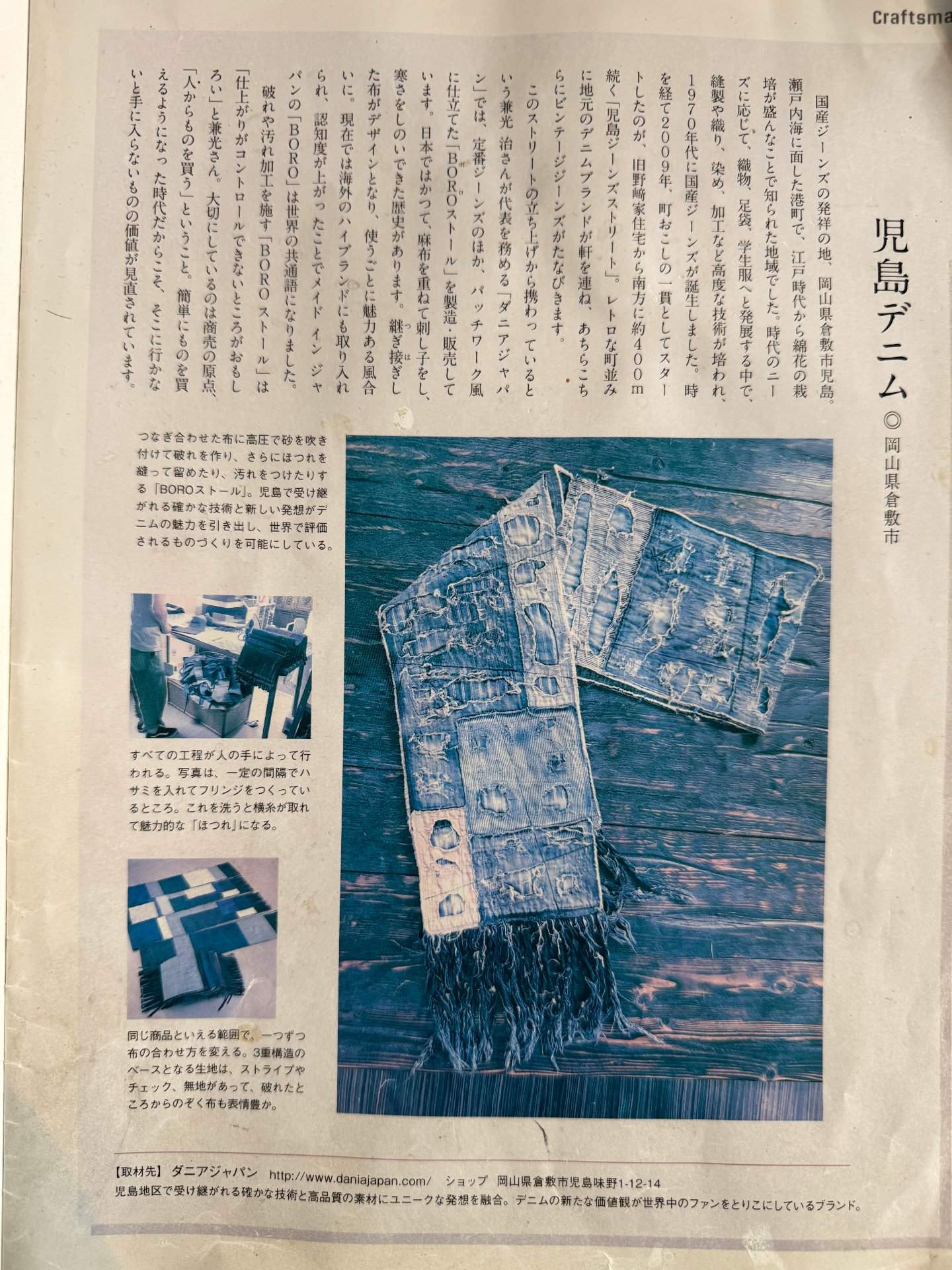
He is best known for two things: the bold, high-quality overalls he wears every day, and his BORO work — garments rebuilt from decades-old scrap denim, patch upon patch, so that no two pieces are ever alike. Japanese craft magazines keep profiling him as one of the faces of Kojima denim.
“We don’t just buy fabric in Okayama. We borrow five decades of craft — and put it behind your label.”
Our partnership is practical as well as romantic. Together with Mr. Kanemitsu we develop ODM programs on Japanese Kaihara fabric, with design, development and low minimums built in. We share the same supply chain trusted by top international brands — exceptional fabric and wash quality included — and every vintage-style piece ships directly from Japan, with a small rotating stock in Los Angeles for fast turnaround.
If you are building a label that cares how things are made, tell us your idea. One picture is enough to start.
Become One of Our Partners.
Tell us what you are building — we will tell you how we would make it.